
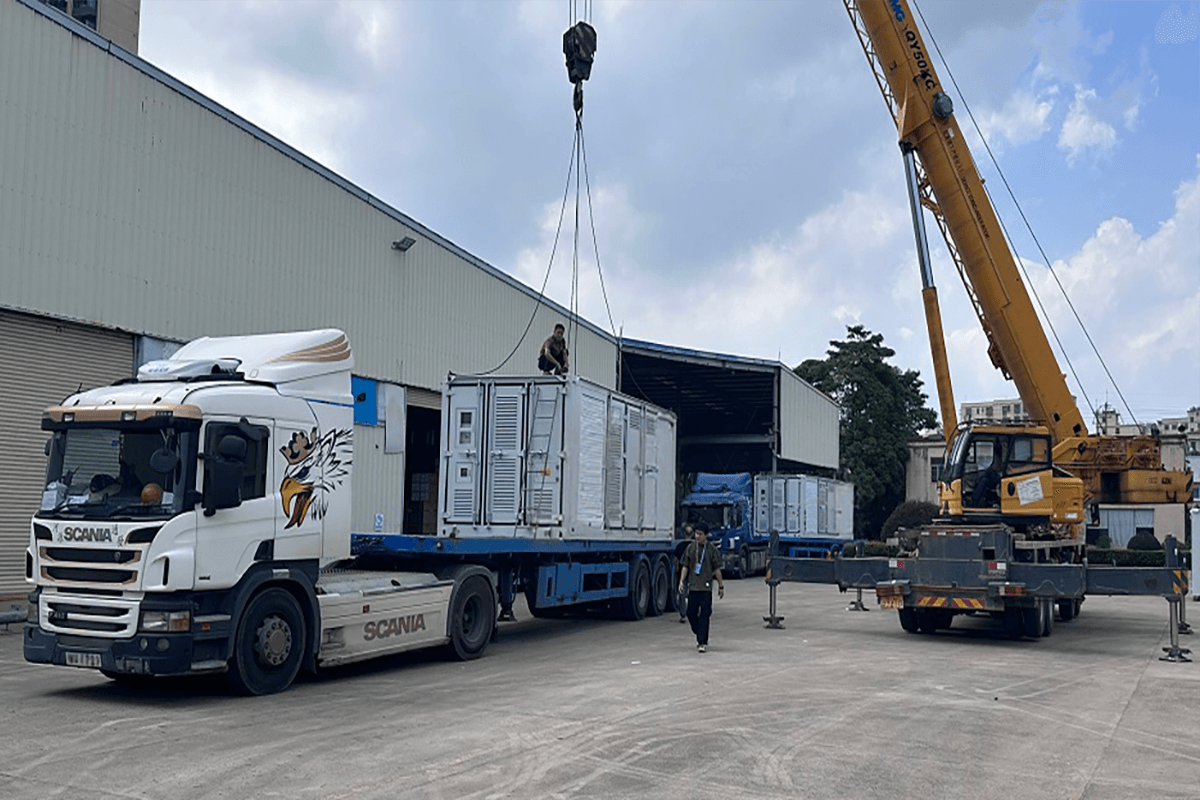
In mining areas, large construction sites, tunnels, and industrial yards, electric heavy equipment is increasingly replacing diesel machines. But fixed charger construction is often difficult: workfronts change quickly, civil works are expensive, and grid capacity upgrades can take months. This case highlights a megawatt-class mobile energy storage station designed to bring power to where the work is—so charging capacity can move with the project.
Figure 1 | Factory dispatch and transport-ready deployment (truck loading / lifting)
Transport-ready megawatt-class mobile energy storage station being lifted and loaded for rapid deployment.
Heavy-duty projects rarely stay in one place. Equipment shifts between zones, and charging needs to follow. A site-ready transportable charging station for heavy-duty fleets enables redeployment based on daily operations—reducing unproductive travel and keeping machines working.
Solution Overview: High Power + High Energy + Multi-Gun Fast Charging
The core configuration in this case is built around three practical requirements for harsh worksites:
• 480–720kW high-power output to match demanding duty cycles.
• 1000kWh large-capacity battery to buffer limited or unstable site power.
• multi-gun concurrent DC fast charging to increase throughput and reduce queuing.
Why Mobile ESS Charging Works Better Than Fixed Chargers in Many Worksites
1) Civil works and cabling are hard in harsh environments: dust, mud, vibration, and shifting traffic routes increase rework risk.
2) Grid capacity is uncertain: temporary power and transformer headroom may be limited, while utility expansion cycles can be long.
3) Fleet windows are tight: multiple machines often need energy in short breaks, so throughput matters more than a single charging point.
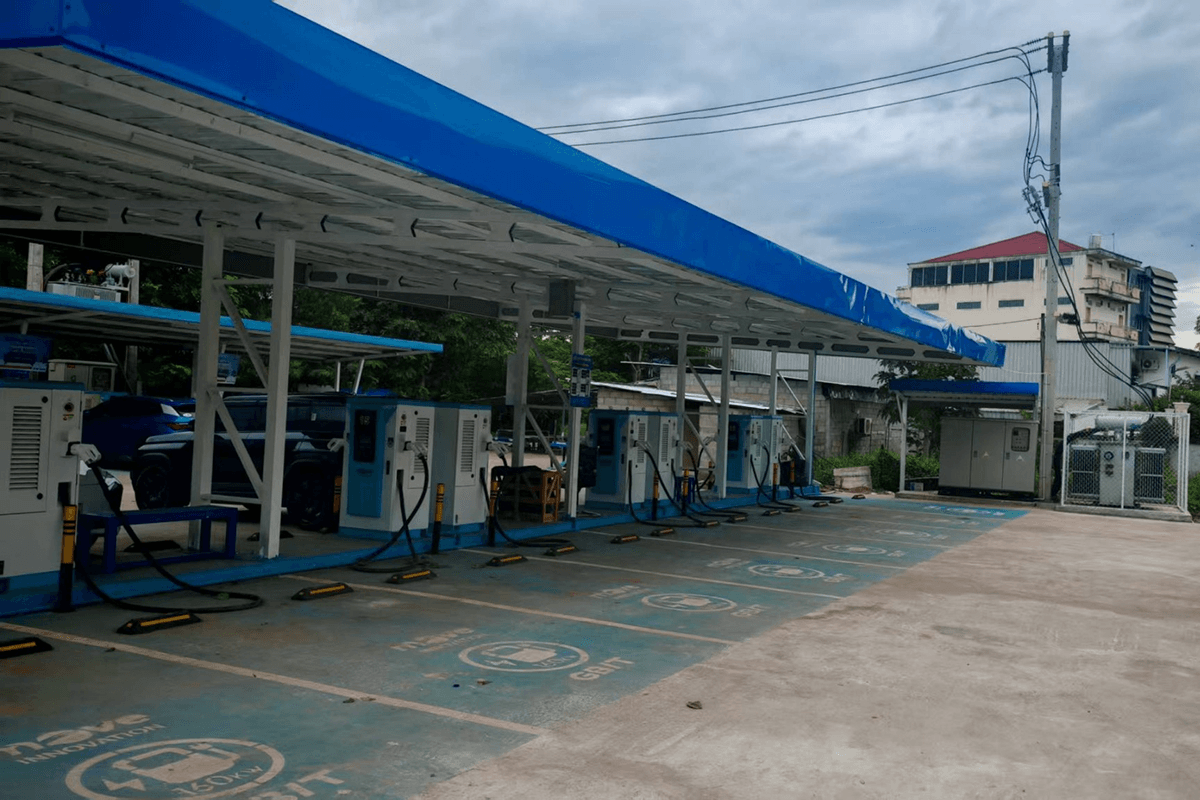
Figure 2 | On-site charging for large machinery in a harsh environment
Mobile ESS charging station supporting fast charging for large construction machinery in a harsh worksite environment.
With practical dispatch rules (staggered charging windows and prioritized equipment), a mobile ESS charging station for electric construction vehicles can typically serve 8–10+ machines per day depending on battery sizes, SOC window, shifts, and site workflow.
Typical Applications
• rapid deployment charging solution for mining operations (electric haul trucks, loaders, auxiliary vehicles).
• mobile battery buffered EV charging for construction sites with changing workfronts.
• off-grid capable mobile fast charging for heavy equipment when site power is limited (project-based configuration).
• temporary or emergency operations where “power first, infrastructure later” is the fastest path to uptime.
What the Customer Typically Provides to Start Engineering
• Equipment list: vehicle types, quantities, working hours, and charging windows.
• Target charging rhythm: desired energy per session and turnaround time.
• Site constraints: access routes, placement area, and available power source (grid/temporary supply/generator).
References (traceable)
• IEC 61851-1 (EV conductive charging system requirements) – IEC Webstore entry: https://webstore.iec.ch/en/publication/33644
• Open Charge Alliance (OCPP overview): https://openchargealliance.org/protocols/open-charge-point-protocol/
• UL 9540 (Energy Storage Systems and Equipment) – ANSI/UL listing: https://webstore.ansi.org/standards/ul/ansiul95402023

Deixar comentário
Os comentários precisam ser aprovados antes da publicação.
Este site é protegido por hCaptcha e a Política de privacidade e os Termos de serviço do hCaptcha se aplicam.